![[team] image of individual team member (for an entertainment company)](https://cdn.prod.website-files.com/6962091ba6e66b24ac4132ce/69cc865307c82024faca1beb_9CFF6516-F2DB-4E1A-8BE2-CB2D30D85E22.PNG)
It lived in binders, shoeboxes, and glass cases. It was traded on playgrounds, saved in sleeves, and built one piece at a time.
Names like Michael Jordan, Ken Griffey Jr., and Alex Rodriguez weren’t just athletes—they were the center of a culture that defined an era.
Today, that era is quietly returning—but not the way people expect.
⸻
The 1990s didn’t just produce collectibles—it created collectors.
Trading cards weren’t just objects. They were status symbols. They were conversation starters. They were identity.
Owning a card of David Robinson or Randy Johnson meant something. It represented skill, dominance, and moments that fans witnessed in real time.
And now, the kids who once chased those cards?
They’ve grown up—with taste, perspective, and spending power.
⸻
What’s happening now isn’t just nostalgia—it’s evolution.
Narrative Over Object
A collectible isn’t just what it is. It’s what it represents.
A single card can carry a career, a rivalry, or a moment frozen in time.
Nostalgia as Value
People aren’t just buying items—they’re reconnecting with a feeling.
The excitement of opening a pack. The chase. The memory.
Curation Over Rarity
Not everything needs to be rare to be valuable.
In the right context, even common items become meaningful when they’re part of a thoughtfully built collection.
⸻
The 90s weren’t limited to sports—they shaped entertainment, art, and identity.
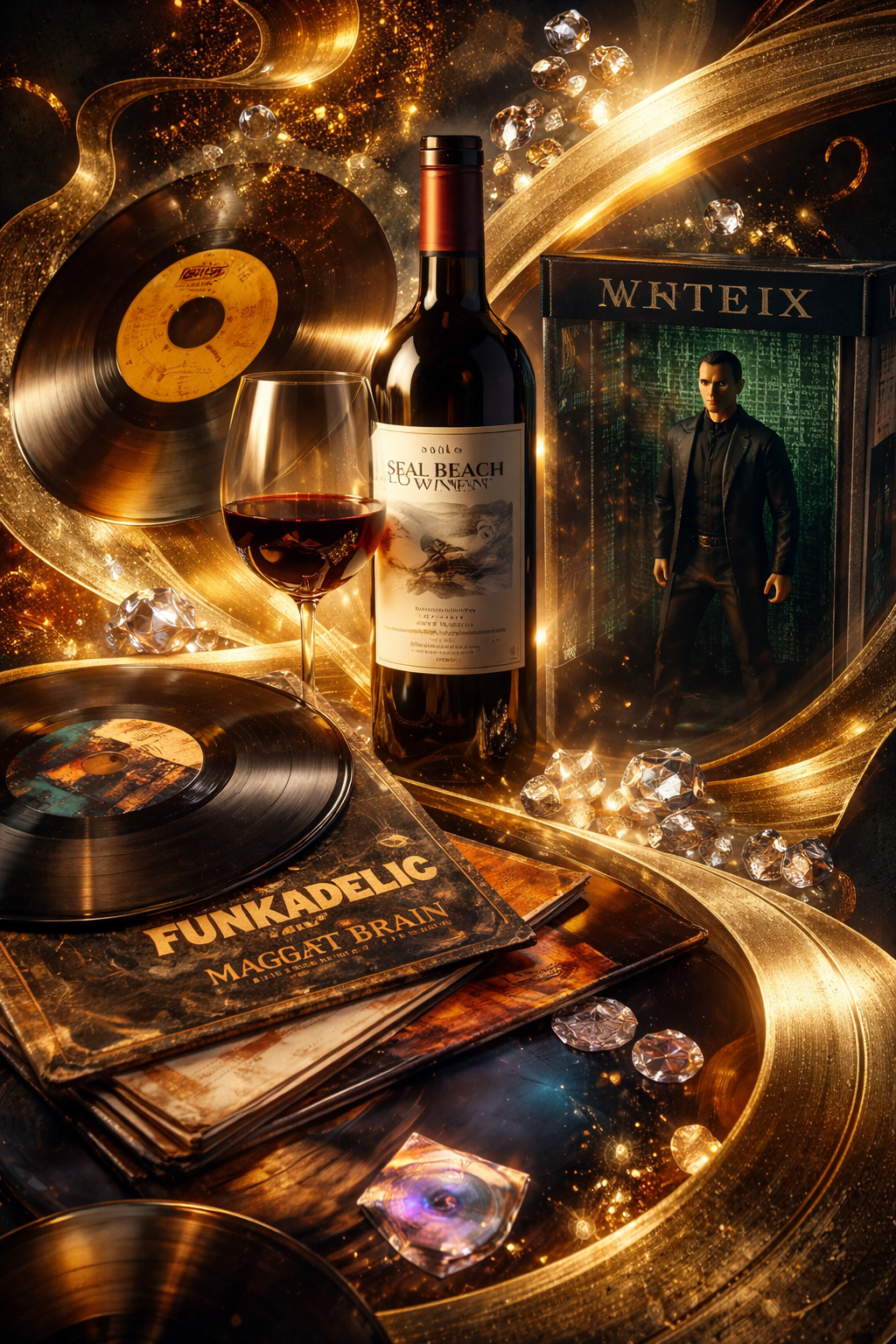
From cinematic moments like Star Wars: The Force Awakens to darker, more artistic expressions like Spawn, collectibles became a reflection of broader culture.
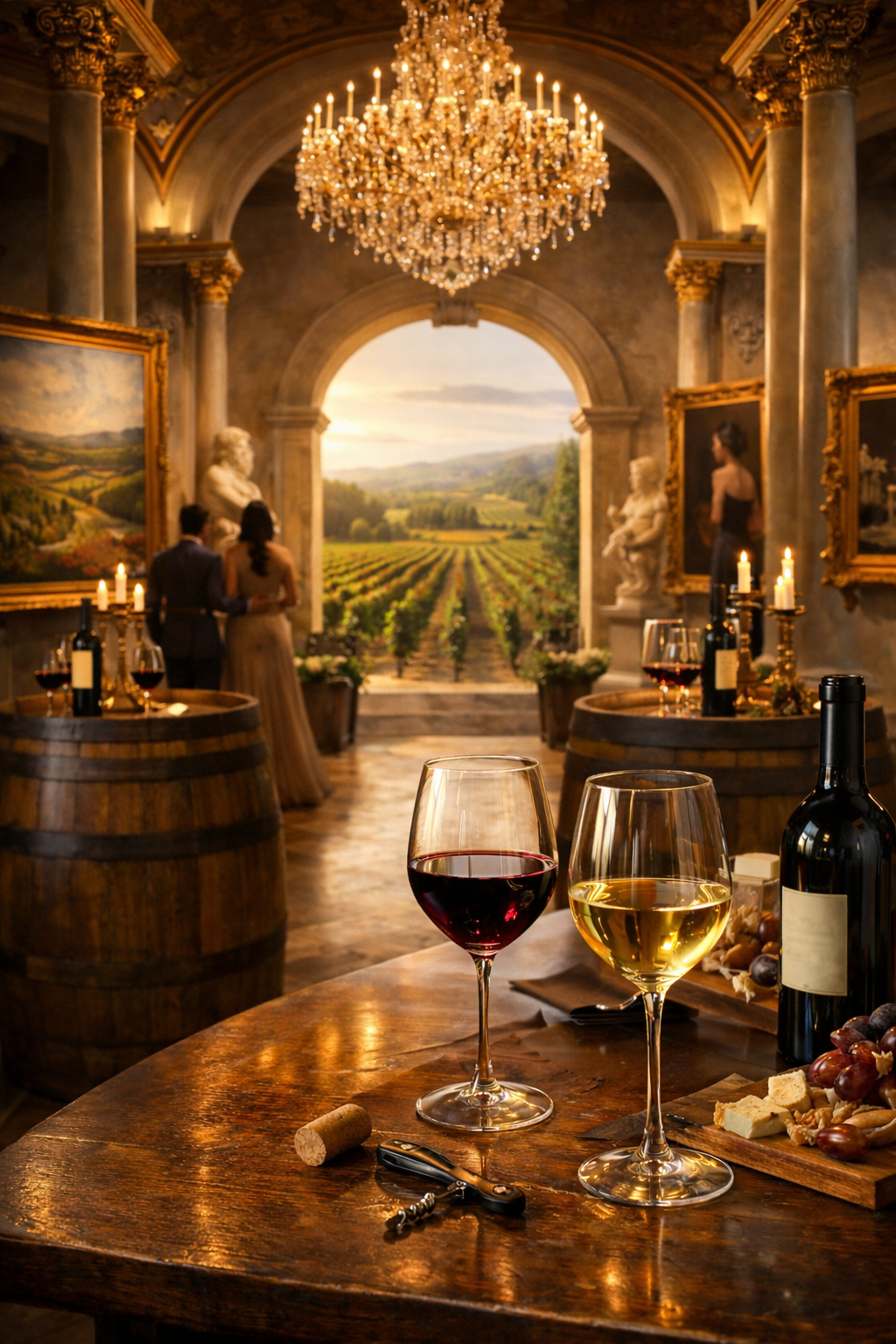
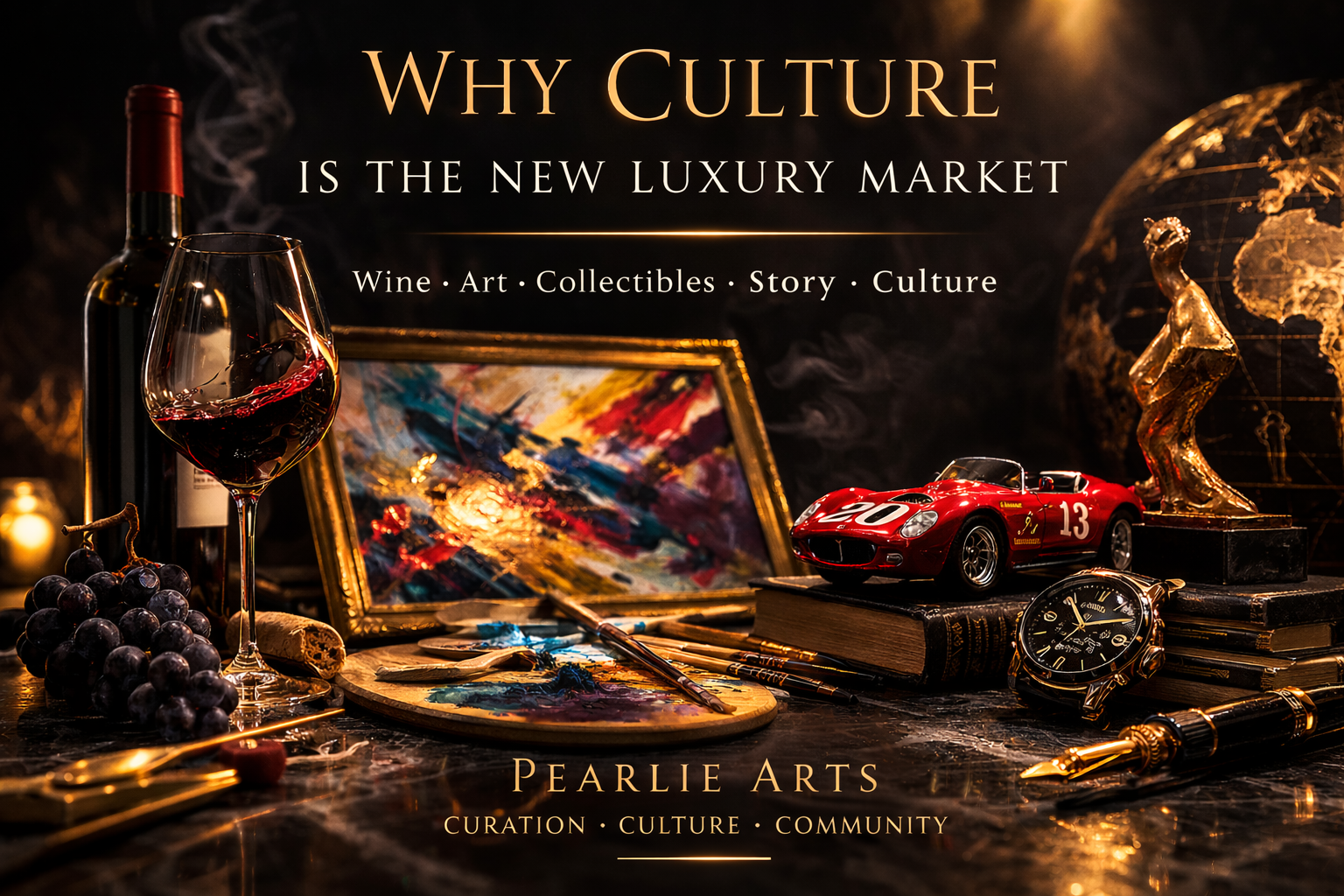
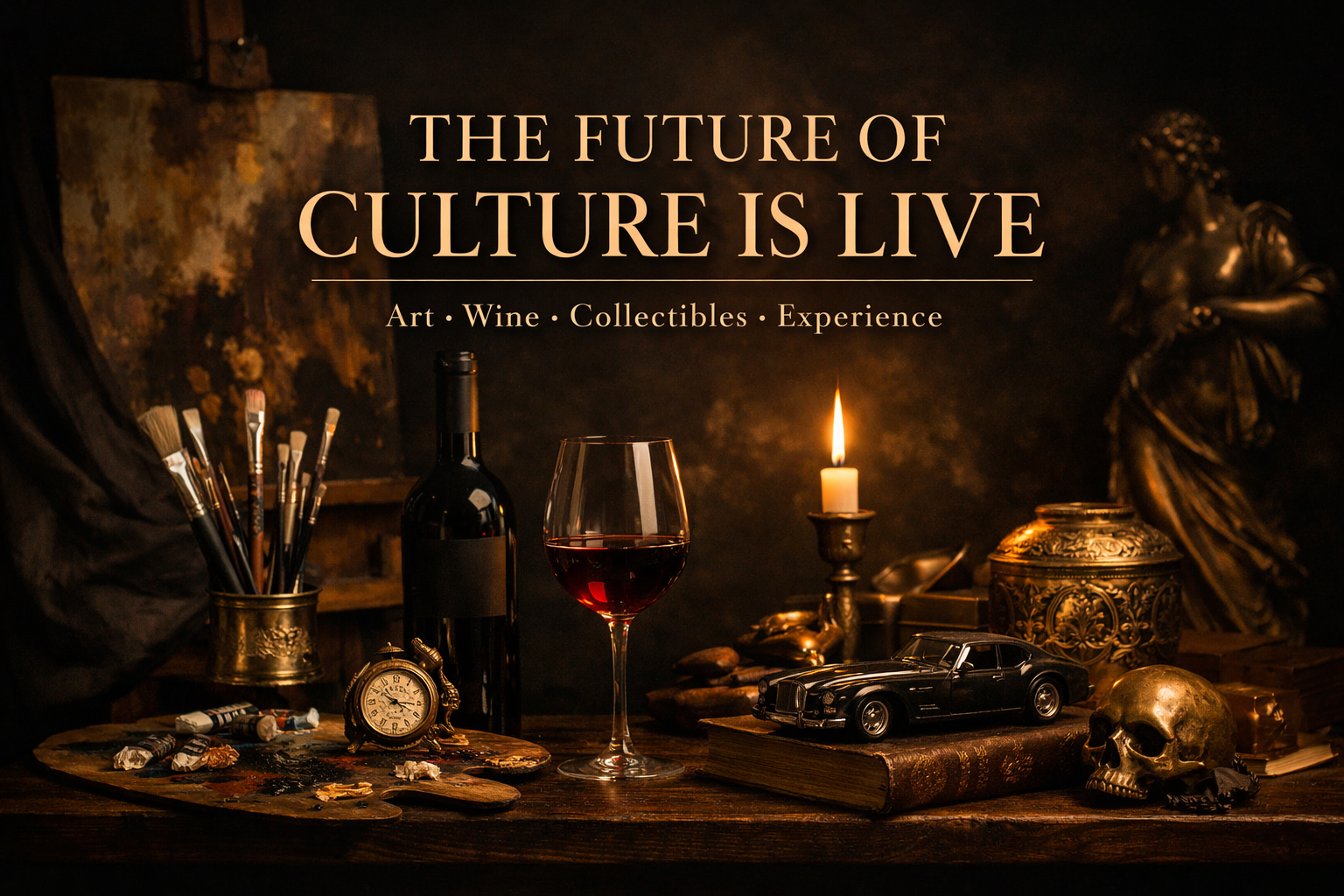
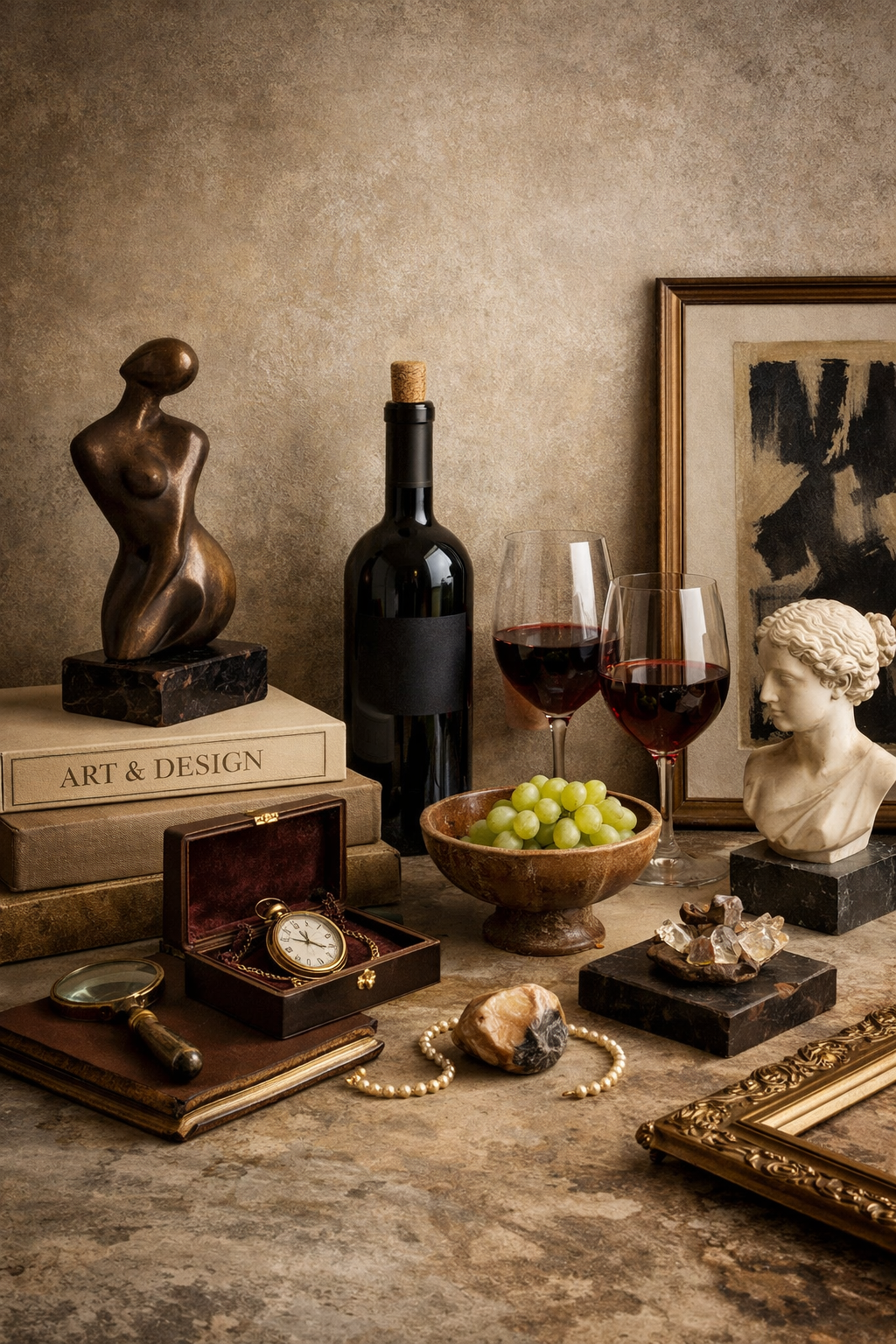
Even lifestyle elements—design, wine culture, visual aesthetics—began blending into what people chose to keep, display, and value.
Collecting became less about category…
…and more about perspective.
⸻
Here’s what’s changing:
Anyone can own a collectible.
Not everyone can present one.
We’re moving from a world where value was defined by price…
to one where value is defined by meaning.
The difference?
A card in a box is inventory.
A card in a story is culture.
⸻
Platforms are evolving. Audiences are evolving. Taste is evolving.
What people are starting to look for isn’t just access—it’s context.
They want to understand:
• Why this piece matters
• How it connects to something bigger
• What it says about them
That’s where the next generation of collecting begins.
⸻
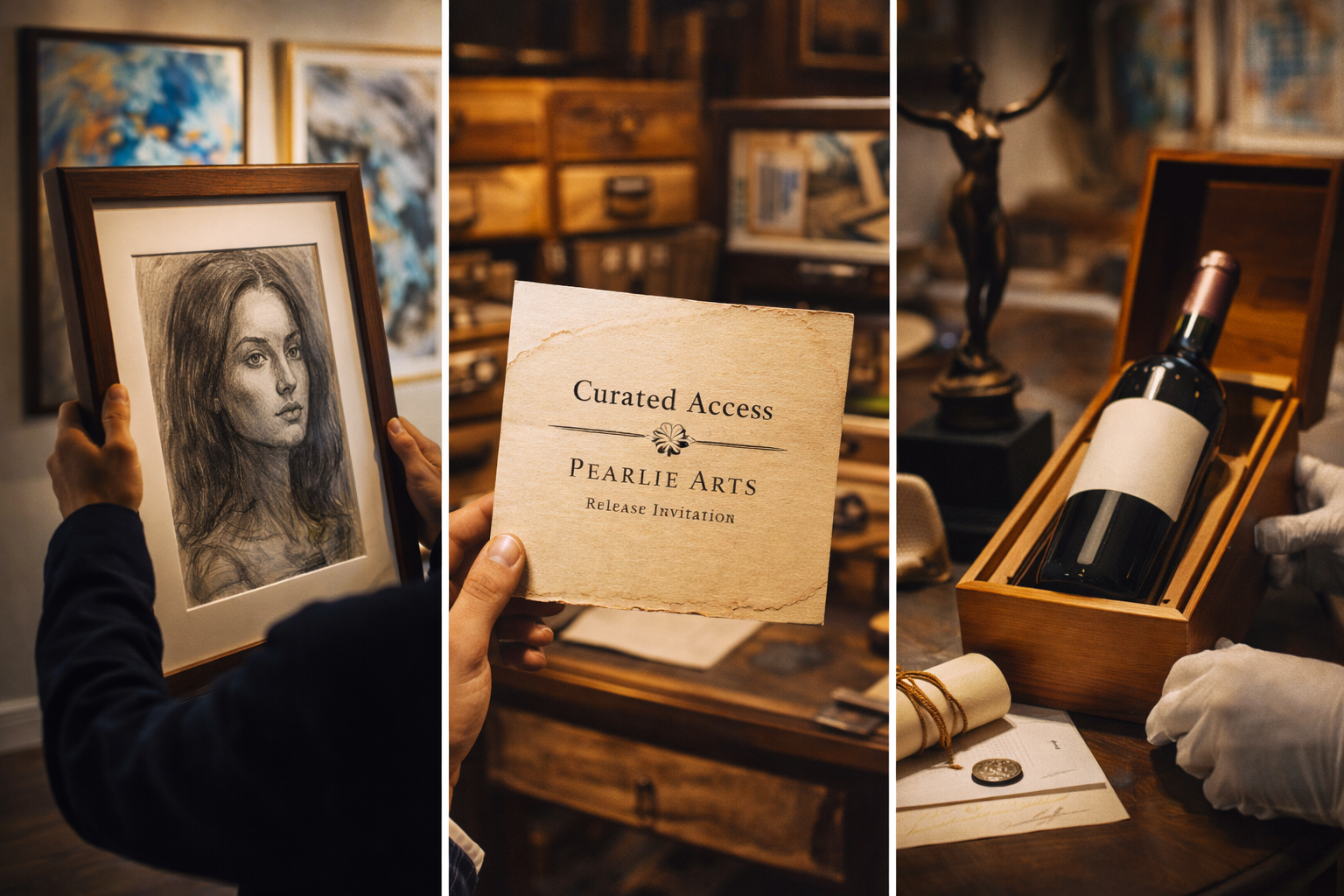
Pearlie Arts isn’t built around listings—it’s built around perspective.
It’s a space where collectibles aren’t just shown…they’re framed, positioned, and experienced as part of a larger cultural narrative.
Because the future of collecting isn’t about having more.
It’s about feeling more connected to what you have.
⸻
The next generation of collectors won’t ask:
“What is this worth?”
They’ll ask:
“What does this represent?”
And the ones who understand that shift early…
won’t just collect.
They’ll curate.
⸻
Explore exclusive insights, artist spotlights, and the latest in art, collectibles, and culture.
![[background image] image of gallery interior (for an art gallery)](https://cdn.prod.website-files.com/image-generation-assets/981f4c22-21c0-4dd3-8420-9561a2a1f3fb.avif)
Subscribe for exclusive insights, updates, and access to curated art and collectibles.
![[background image] image of gallery interior (for an art gallery)](https://cdn.prod.website-files.com/6962091ba6e66b24ac4132ce/6984cb59276f82b27cea52a2_5BE7912F-2571-4088-963E-2A10C88FF8C9.PNG)

![[digital project] image of past client project in a studio setting](https://cdn.prod.website-files.com/6962091ba6e66b24ac4132ce/696aebc54ab6bfd850fc9b67_ChatGPT%20Image%20Jan%2016%2C%202026%20at%2005_53_08%20PM.png)